
These Korean ground beef bowls are the kind of dinner that saves you on hectic weeknights. Savory, slightly sweet, with just the right amount of heat, they come together in about 20 minutes and taste like you spent way longer in the kitchen. The combination of ginger, garlic, sesame oil, and soy sauce creates this rich, flavorful sauce that coats every bit of beef, and when you pile it over fluffy rice with crisp cucumber and green onions, it's just perfect.
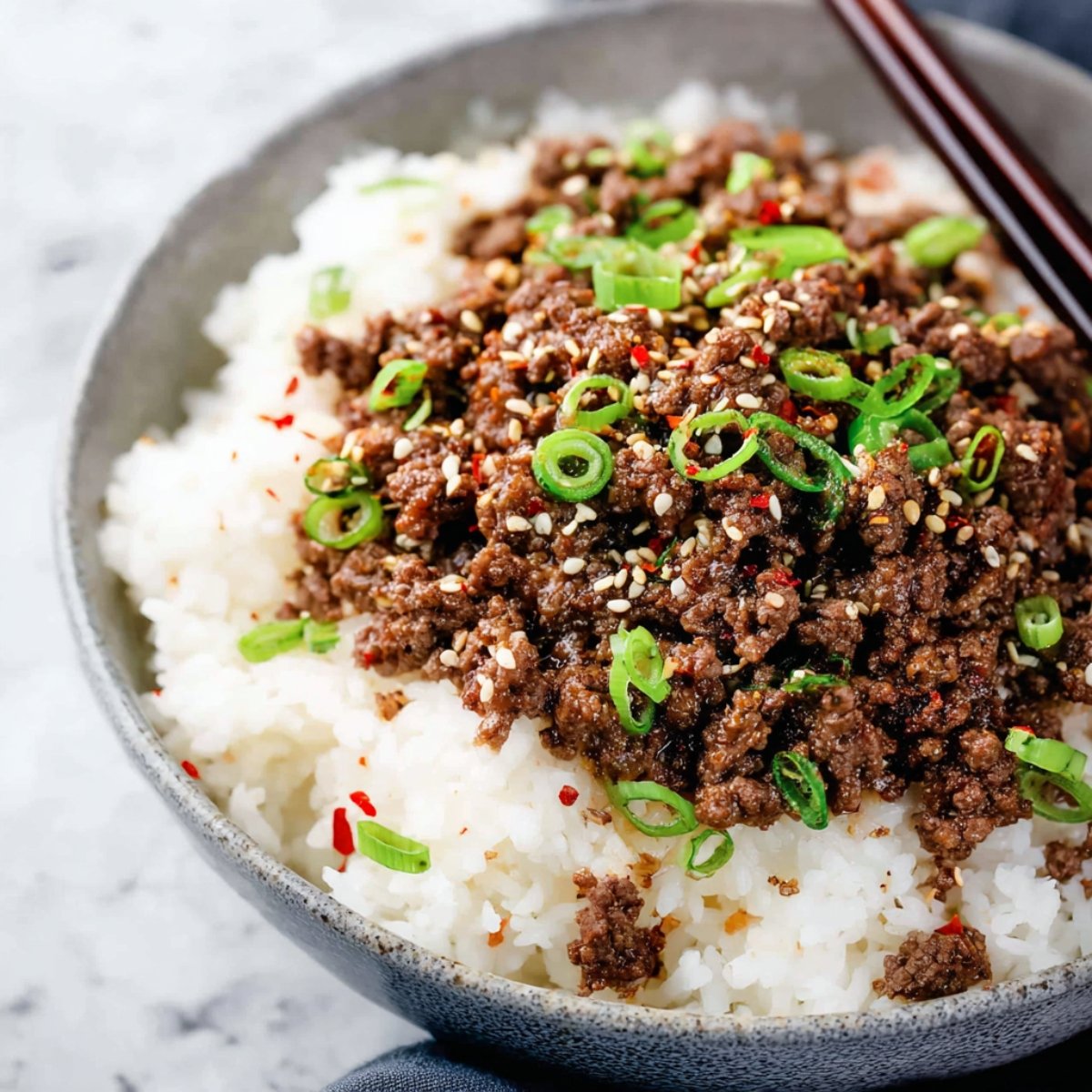
If you love quick, flavorful dinners, you'll also want to try Butter Chicken, Spicy Buffalo Chicken Wraps, or Greek Meatball Bowls.
Why You'll Love These Korean Ground Beef Bowls
These Korean ground beef bowls are incredibly flavorful, super quick, and totally customizable. The sauce is sweet and savory with a hint of spice, and it soaks into the beef beautifully. You can adjust the heat level to your liking, add more veggies, or even swap the protein.
They're budget-friendly, use simple ingredients you probably already have, and the whole family will love them. Plus, they reheat like a dream, so they're perfect for meal prep.
Jump to:
Korean Ground Beef Bowls Ingredients
Each ingredient contributes to the sweet, savory, and slightly spicy flavor profile of these bowls.
See Recipe Card Below This Post For Ingredient Quantities
- Fresh cucumber: Adds a cool, crisp contrast to the warm, savory beef.
- Lean ground beef: The base of the dish. Lean beef works best to avoid excess grease, but you can also use ground turkey or chicken if you prefer.
- Salt and freshly ground black pepper: Simple seasonings that enhance the beef's natural flavor.
- Garlic: Fresh minced garlic adds a pungent, savory depth that's essential to the sauce.
- Sesame oil: Brings a rich, nutty flavor that's signature to Korean cooking. A little goes a long way.
- Freshly grated ginger: Adds warmth and a slight zing that balances the sweetness. Fresh is best, but ground ginger works in a pinch.
- Light brown sugar: Creates that signature sweet and savory balance. It caramelizes slightly as it cooks, adding depth.
- Low-sodium soy sauce: The salty, umami backbone of the sauce. Using low-sodium gives you better control over the saltiness.
- Sriracha hot sauce: Adds heat and a little tang. You can substitute with crushed red pepper flakes or chili garlic sauce depending on your preference.
- Green onions: Adds freshness and a mild onion flavor. Reserve some for garnish to keep things bright and colorful.
- Hot cooked rice: The base for your bowl. Brown or white rice both work beautifully.
HOW TO MAKE Korean ground beef bowls
Follow these simple steps to make delicious Korean ground beef bowls in under 30 minutes.
- Cook the beef: Heat a large skillet over medium-high heat. Season the ground beef with black pepper and add it to the skillet. Cook, stirring and breaking it into small pieces with a wooden spoon, until browned and cooked through. Drain any excess grease. For finer, more uniform pieces, you can pulse the cooked beef in a food processor 2-3 times, then return it to the pan.
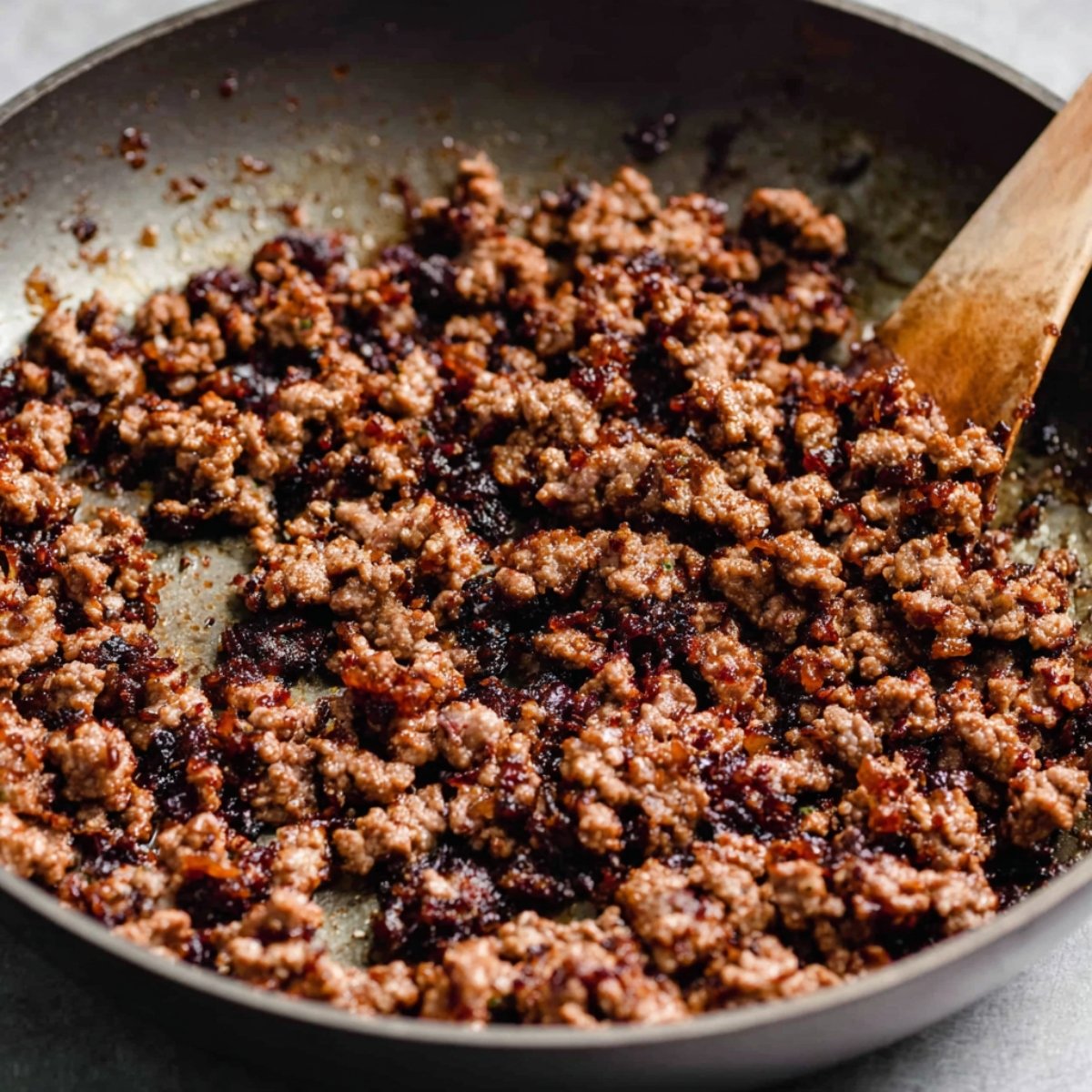
- Add aromatics and sauce: Add the sesame oil, minced garlic, and grated ginger to the skillet with the beef. Stir everything together and cook for about 30 seconds until fragrant. Then stir in the brown sugar, soy sauce, and Sriracha. Let it cook for a few minutes, stirring occasionally, so the sauce absorbs into the meat and thickens slightly.
- Add green onions: Stir in half of the chopped green onions, reserving the rest for garnish.
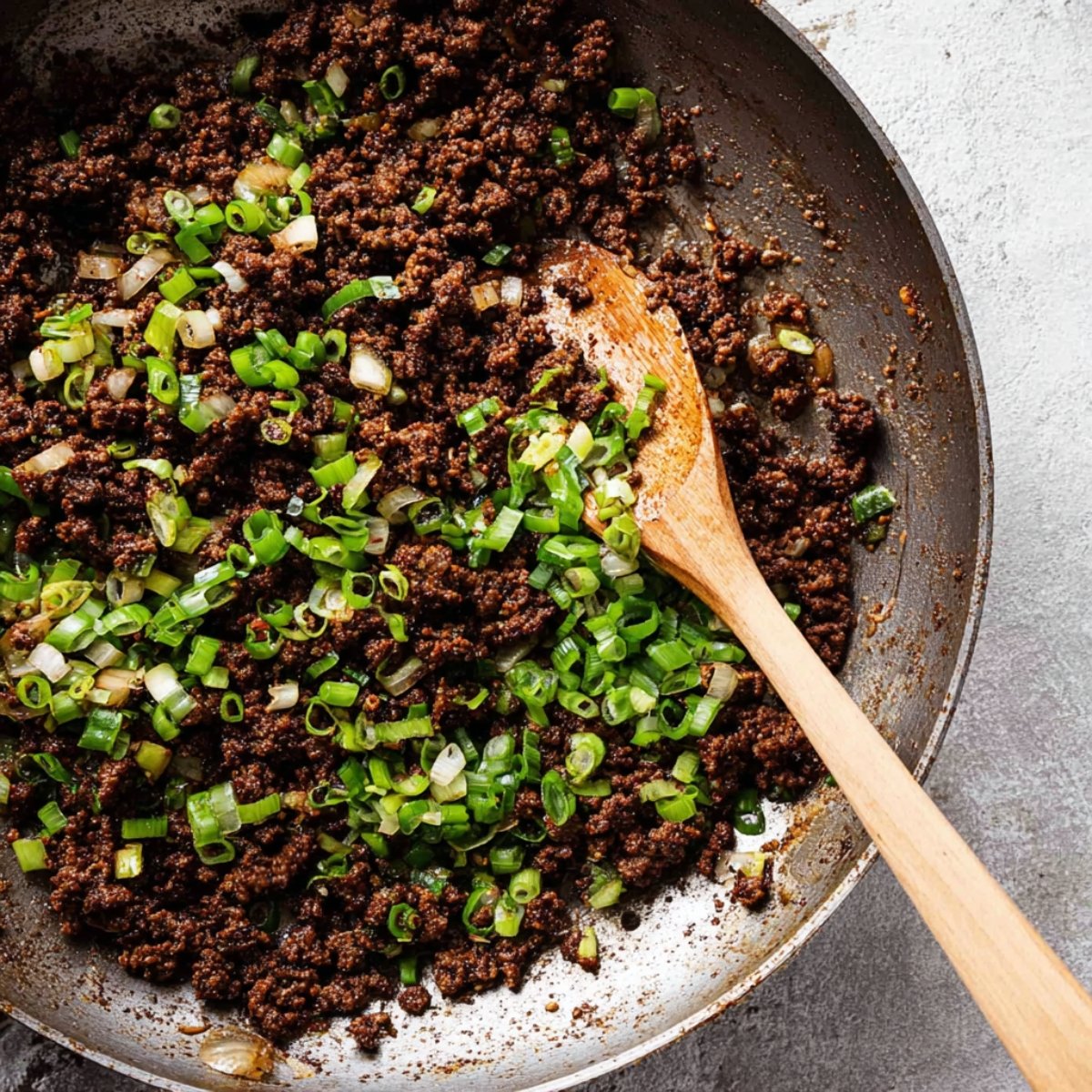
- Serve: Spoon the beef mixture over hot cooked rice in bowls. Top with the reserved green onions and fresh cucumber slices. Serve immediately and enjoy!
Substitutions and Variations
- Use ground turkey or chicken: Swap the beef for ground turkey or chicken for a leaner option. The flavor will be slightly different but still delicious.
- Make it spicier: Add more Sriracha, a drizzle of chili oil, or some gochujang (Korean red pepper paste) for extra heat.
- Add vegetables: Stir in shredded carrots, snap peas, bell peppers, or spinach for extra nutrition and color.
- Low-carb option: Serve the beef over cauliflower rice instead of regular rice.
- Make it gluten-free: Use tamari or coconut aminos instead of soy sauce.
- Different toppings: Try sesame seeds, kimchi, fried egg, or sliced radishes for variety.
EQUIPMENT
Large skillet: For browning the beef and making the sauce.
Meat chopper or wooden spoon: Helps break the beef into small, even pieces.
Food processor (optional): If you want super fine beef crumbles.
Storage Tips
Store leftover Korean ground beef bowls in an airtight container in the fridge for up to 4 days. The beef mixture reheats beautifully on the stovetop over medium heat or in the microwave. Add a splash of water or soy sauce if it seems dry. You can also freeze the beef mixture (without the rice and toppings) in a freezer-safe bag or container for up to 3 months. Thaw overnight in the fridge and reheat on the stove. Cook fresh rice and add fresh cucumber and green onions when serving.
Serving Suggestions
These Korean ground beef bowls are perfect on their own, but you can round out the meal with some simple sides. Try serving them with steamed edamame, a quick cucumber salad with rice vinegar, or some kimchi for extra tang and probiotics. A side of miso soup or a fresh Asian-style slaw also pairs wonderfully. For more easy weeknight dinners, check out Butter Chicken, Greek Meatball Bowls, orStreet Corn Chicken Rice Bowl.
Expert Tips
Use fresh ginger and garlic. They make a huge difference in flavor compared to the jarred or powdered versions.
Don't skip draining the grease. Even with lean beef, there's usually some fat to drain. This keeps the sauce from getting greasy.
Taste and adjust. The sauce should be sweet, salty, and a little spicy. Taste it before serving and adjust with more soy sauce, sugar, or Sriracha as needed.
Prep ahead. You can make the beef mixture a day in advance and reheat it when you're ready to serve.
Use a meat chopper. It makes breaking up the beef so much easier and gives you more uniform pieces.
FAQ
What can I serve with Korean ground beef bowls?
Korean ground beef bowls are delicious with simple sides like steamed broccoli, edamame, cucumber salad, kimchi, or Asian-style slaw. A fried egg on top is also a popular addition. Keep the sides light and fresh to balance the rich, savory beef.
How do I make Korean Ground Beef Bowls spicy?
To add more heat, increase the amount of Sriracha, add crushed red pepper flakes, or stir in some gochujang (Korean chili paste). You can also drizzle chili oil over the top when serving. Start with a little and add more to taste.
Can I use ground turkey for Korean ground beef bowls?
Yes! Korean Ground Beef Bowls turkey or ground chicken works great as a substitute for beef. The flavor will be a bit lighter, but the sauce is so flavorful that it still tastes amazing. Just make sure to cook it through completely.
What are some alternatives to soy sauce in Korean ground beef bowls?
If you need a soy sauce alternative, try tamari for a gluten-free option, or coconut aminos for a soy-free and slightly sweeter version. Both work well in this recipe, though the flavor will be slightly different.
Related
Looking for other recipes like this? Try these:


Pairing
These are my favorite dishes to serve with Korean Ground Beef Bowls


Korean Ground Beef Bowls
Ingredients
Method
- Heat a large skillet over medium-high heat. Season ground beef with black pepper and add it to the skillet. Cook, stirring frequently and breaking the meat into small pieces with a wooden spoon until browned. Drain off excess grease. (Optional: use a food processor to pulse the beef into finer pieces before cooking.)
- Add sesame oil, minced garlic, and grated ginger to the skillet. Stir well to combine.
- Stir in the brown sugar, soy sauce, and Sriracha (or substitute hot sauce). Cook for 3–5 minutes, allowing the sauce to slightly absorb into the meat.
- Add half of the chopped green onions to the beef mixture, stirring to combine. Save the rest for garnish.
- Serve the Korean ground beef mixture over hot cooked rice. Top with fresh cucumber slices and remaining green onions.



Leave a Reply